Electric Vehicle (EV) & Battery Systems
Modern research, development, and engineering in Automotive Electric Vehicle and Battery Systems focuses on creating high-energy-density, rapidly rechargeable, and thermally stable energy storage architectures capable of delivering extended driving range, enhanced safety, and long service life across diverse operating environments. At the foundational layer, advanced electrochemistry, sophisticated battery management systems, and integrated thermal control strategies decouple traditional range and charging limitations from vehicle design constraints, enabling the development of battery electric vehicles with performance characteristics exceeding internal combustion predecessors. These advanced EV systems incorporate high-voltage architectures, silicon carbide power electronics, and intelligent energy management algorithms to deliver zero-emission transportation with minimal charging friction, reduced total cost of ownership, and seamless grid integration across passenger vehicles, commercial fleets, and heavy-duty applications.
Advanced Battery Cell Chemistry & Formats
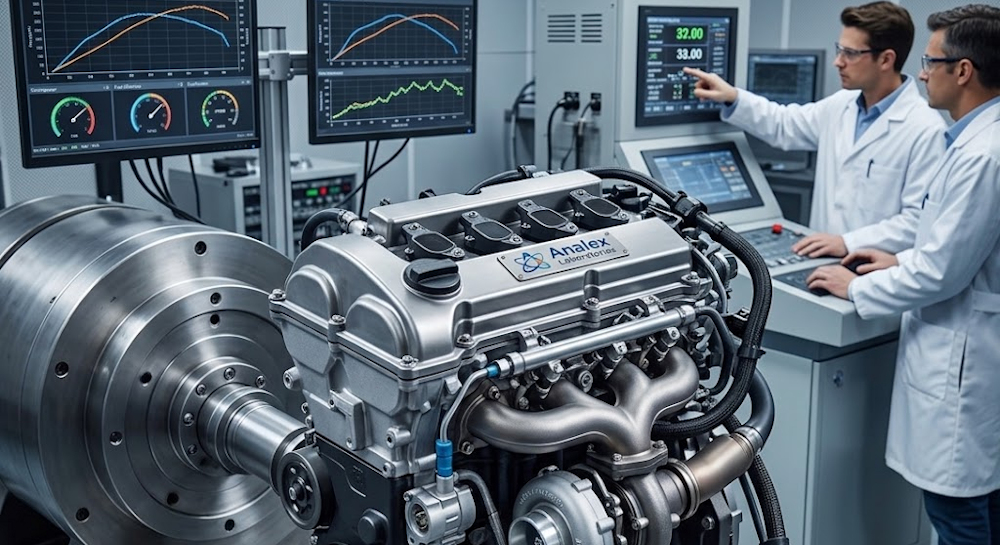
Modern electric vehicle batteries utilize diverse electrochemical systems, cell geometries, and manufacturing processes to optimize energy density, power capability, and safety characteristics. Lithium-ion chemistries including nickel-manganese-cobalt, lithium-iron-phosphate, and nickel-cobalt-aluminum oxides balance energy capacity, thermal stability, and material cost considerations. Cell formats ranging from cylindrical and prismatic to pouch configurations offer trade-offs between packaging efficiency, thermal management, and manufacturing scalability. Solid-state electrolyte research promises to replace flammable liquid electrolytes with ceramic or polymer conductors, enabling higher voltage operation and improved safety profiles.
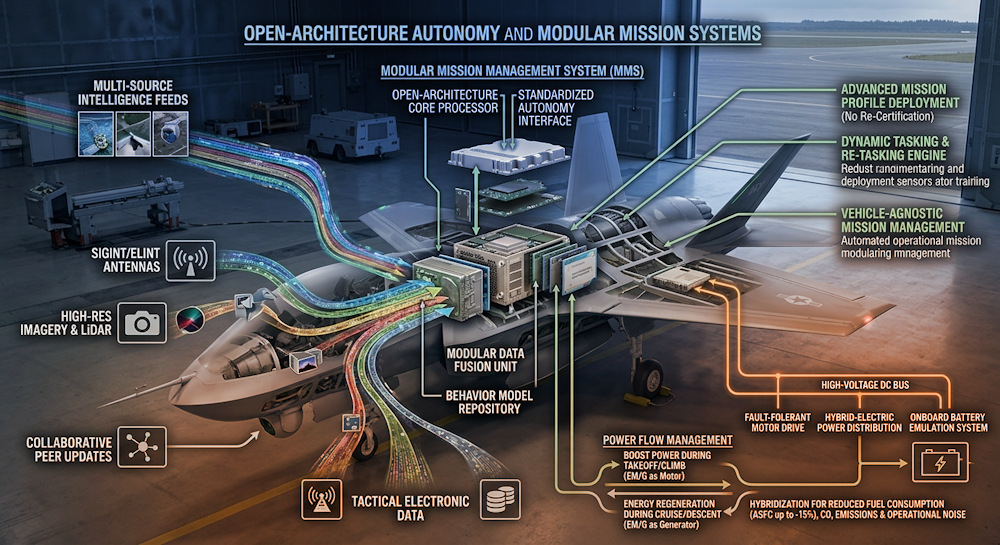
The evolution of Advanced Battery Cell Chemistry represents a fundamental transition from consumer electronics-derived cells toward automotive-optimized electrochemical systems designed for decade-long service life, extreme temperature operation, and high-rate cycling.
Key Technical Pillars
High-Nickel Cathode Materials- Nickel-rich layered oxide cathodes exceeding 80% nickel content deliver specific capacities approaching 200 milliampere-hours per gram
- Single-crystal cathode morphologies improve mechanical stability and reduce microcracking during cycling
- Cobalt reduction strategies lower material costs and supply chain risks while maintaining structural integrity
- Silicon composite anodes accommodate lithium alloying to deliver theoretical capacities ten times greater than graphite
- Pre-lithiated anodes and artificial solid electrolyte interphases improve first-cycle efficiency and cycle life
- Protective coatings and nanostructured architectures accommodate volume expansion without particle pulverization
- Large-format cylindrical cells with tabless electrode designs reduce internal resistance and improve thermal uniformity
- Prismatic cells with stacked electrode architectures maximize volumetric energy density in rectangular packaging
- Pouch cells with flexible aluminum-laminate enclosures enable efficient packaging and thermal interface conformity
Recent Innovations
Solid-State Battery Development- Sulfide, oxide, and polymer electrolytes enable lithium-metal anodes without dendrite penetration risks
- Ceramic electrolytes with high ionic conductivity operate across wide temperature ranges
- Bilayer and gradient electrolyte architectures optimize interfaces between anode and cathode materials
- Solvent-free electrode manufacturing eliminates toxic solvent handling and reduces energy-intensive drying steps
- Electrostatic and shear mixing processes bind active materials without liquid slurries
- Reduced manufacturing costs and environmental impact compared to traditional wet coating
- Ceramic-coated polyolefin separators provide shutdown functionality while maintaining mechanical integrity at elevated temperatures
- Solid-state electrolyte separators combine ionic conductivity with physical barrier properties
- Multi-layer separators with graded porosity optimize ion transport and mechanical strength
Strategic & Operational Advantages
- Energy Density Improvement: Advanced cathode and anode materials enable battery packs exceeding 300 watt-hours per kilogram at the cell level
- Fast Charge Capability: Low-resistance cell designs and stable electrolytes enable 10-80% charging in under 20 minutes
- Extended Cycle Life: Optimized chemistries and manufacturing processes deliver 1,500+ cycles with minimal capacity degradation
- Thermal Stability: High-nickel chemistries with improved thermal runaway resistance enhance safety margins
Battery Pack Architecture & Integration

Battery packs integrate thousands of individual cells into cohesive energy storage systems through series and parallel electrical connections, mechanical enclosures, and thermal management interfaces. Modular pack designs enable scalable capacity configurations across vehicle platforms while facilitating serviceability and cell replacement. Cell-to-pack and cell-to-chassis integration strategies eliminate intermediate module structures, improving volumetric efficiency and structural contribution.
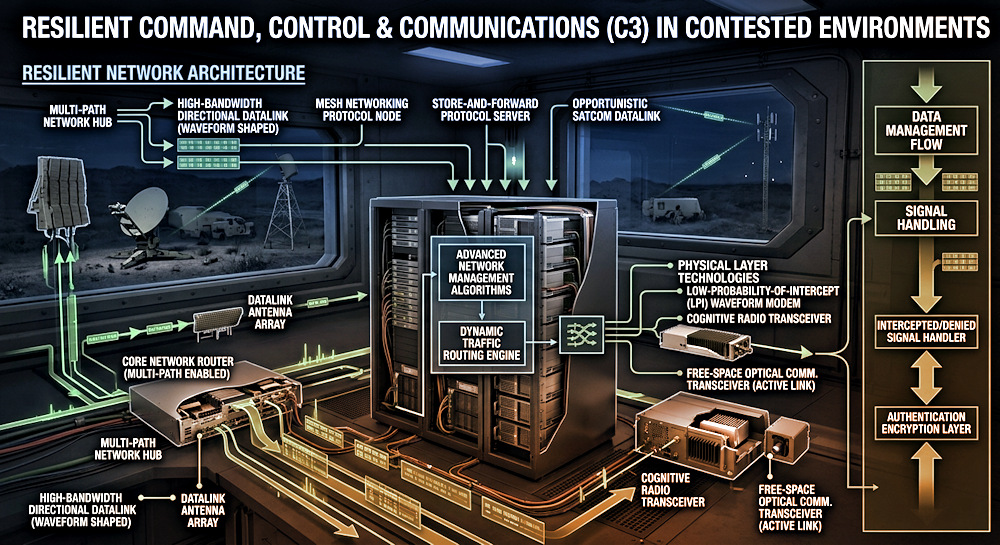
Battery Pack Architecture represents the mechanical, electrical, and thermal engineering discipline that transforms individual cells into vehicle-integrated energy systems capable of surviving crash impacts, thermal extremes, and vibration environments.
Key Technical Pillars
Cell-to-Pack and Cell-to-Chassis Integration- Direct cell integration into pack enclosures or vehicle structures eliminates module housings and bussing overhead
- Structural battery enclosures contribute to vehicle torsional rigidity and crash energy absorption
- Simplified assembly processes and improved packaging efficiency increase range per unit volume
- 800-volt and higher electrical systems reduce current requirements, enabling thinner copper conductors and reduced resistive losses
- High-voltage inverters and motors deliver improved power density and efficiency
- Standardized charging interfaces support high-power DC fast charging infrastructure
- Cold plates, heat pipes, and immersion cooling systems maintain cell temperature uniformity within 5 degrees Celsius
- Phase-change materials and thermal storage systems buffer transient thermal loads
- Heating elements and circulation pumps enable preconditioning for fast charging and cold-weather operation
Recent Innovations
Wireless Battery Management Systems- Cell monitoring circuits communicate wirelessly, eliminating complex wiring harnesses and connector failure modes
- Reduced assembly complexity and improved fault isolation through distributed intelligence
- Galvanic isolation between high-voltage and low-voltage domains
- Carbon fiber reinforced polymer enclosures with integrated cell mounting provide lightweight structural integrity
- Multi-functional materials combine electrical insulation, thermal conductivity, and mechanical protection
- Simplified crash structures leveraging pack rigidity for occupant protection
- Physics-based thermal models predict cell temperatures during fast charging and high-power discharge
- Adaptive state-of-charge and state-of-health algorithms account for aging and operating history
- Fleet learning improves estimation accuracy across diverse operating conditions
Strategic & Operational Advantages
- Packaging Efficiency: Cell-to-chassis integration maximizes usable battery volume within vehicle footprints
- Manufacturing Scalability: Simplified pack architectures reduce assembly labor and automation complexity
- Serviceability: Modular designs enable cell or module replacement without complete pack replacement
- Safety Integration: Crash-optimized structures and thermal barriers prevent propagation of cell failures
Battery Management Systems & Safety Architecture

Battery management systems monitor and control battery operation to ensure safe, efficient, and long-lived energy storage. Distributed cell monitoring units measure individual cell voltages and temperatures, reporting to centralized controllers that balance charge levels, limit current, and isolate faults. Multi-layered safety architectures incorporate hardware interlocks, software controls, and physical barriers to prevent overcharge, over-discharge, short circuits, and thermal runaway.
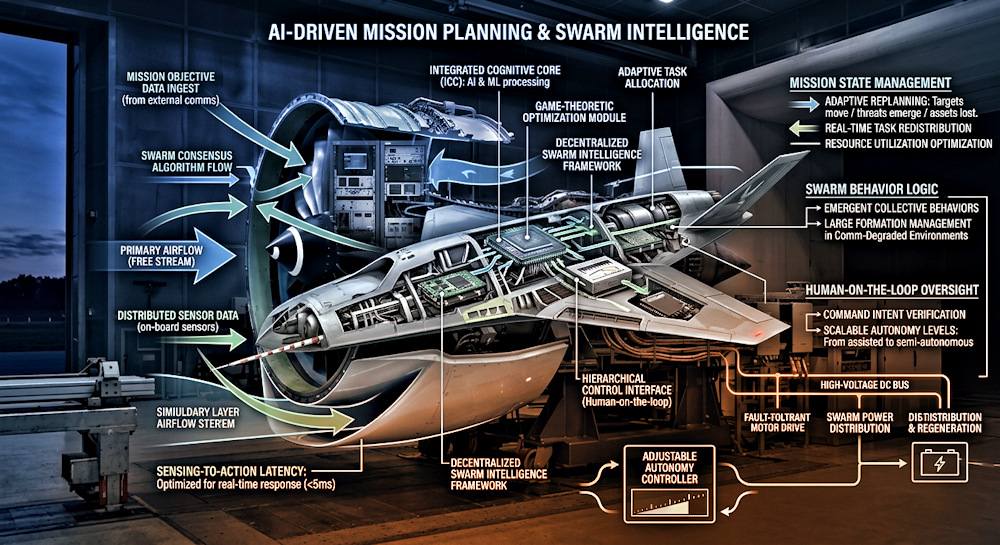
Battery Management Systems represent the electronic and software intelligence that transforms passive electrochemical cells into actively controlled, fault-tolerant energy systems capable of safe operation across automotive lifetimes.
Key Technical Pillars
Cell Monitoring and Balancing- Active and passive balancing circuits equalize state-of-charge across series-connected cells
- High-resolution voltage measurement detects microvolt-level deviations indicating incipient failures
- Temperature mapping identifies thermal gradients and hot spots requiring intervention
- Extended Kalman filters and neural network observers estimate state-of-charge, state-of-health, and state-of-power
- Impedance tracking identifies aging mechanisms and predicts remaining useful life
- Operating limits adjust dynamically based on estimated capabilities and safety margins
- Pyrofuses and contactors disconnect battery current within milliseconds of fault detection
- Fire suppression systems and venting channels manage thermal runaway events
- Crash detection algorithms trigger immediate high-voltage isolation upon impact
Recent Innovations
Predictive Safety Systems- Machine learning models identify precursor signatures of cell failures before catastrophic events
- Early warning systems enable graceful degradation and controlled shutdown
- Cloud-connected diagnostics aggregate fleet data to identify systemic issues
- ASIL-D rated hardware and software architectures ensure fail-safe operation
- Redundant measurement channels and voting logic prevent single-point failures
- Independent safety monitors verify primary controller decisions
- High-frequency current and voltage monitoring detects series arcing faults within battery packs
- Spectral analysis distinguishes arcing signatures from normal switching noise
- Rapid isolation prevents arc-fault-induced thermal events
Strategic & Operational Advantages
- Longevity Assurance: Optimized charging and operating strategies extend battery service life beyond vehicle ownership periods
- Safety Confidence: Multi-layer protection systems achieve functional safety targets with minimal risk of hazardous events
- Warranty Management: Accurate state-of-health estimation enables pro-rata warranty fulfillment and resale value protection
- Regulatory Compliance: Comprehensive monitoring and documentation satisfy safety standards and homologation requirements
Electric Drive Units & Power Electronics

Electric drive units combine high-efficiency motors, reduction gearboxes, and inverters into compact, liquid-cooled packages that deliver torque to vehicle axles. Permanent magnet synchronous motors, induction motors, and emerging switched reluctance designs provide high power densities and wide constant-power speed ranges. Silicon carbide and gallium nitride power electronics enable high-frequency switching with reduced losses, improving efficiency and enabling higher operating temperatures.
Electric Drive Units represent the electromechanical conversion systems that transform battery DC power into mechanical torque with efficiencies exceeding 90% across broad operating ranges.
Key Technical Pillars
High-Speed Motor Design- Rotor designs optimized for 15,000+ RPM operation enable torque density improvements through reduction gear ratios
- Carbon fiber wrapped rotors contain centrifugal stresses and enable high-speed operation
- Advanced bearing systems manage high-speed rotor dynamics with minimal losses
- Silicon carbide MOSFETs and diodes reduce switching losses and enable 800-volt operation
- Gallium nitride devices provide high-frequency switching for compact DC-DC converters and onboard chargers
- Integrated power modules with advanced thermal substrates improve heat rejection
- Combined motor, inverter, and gearbox cooling circuits optimize thermal performance
- Direct oil cooling of stator windings and rotor shafts maximizes heat transfer
- Refrigerant cooling integration enables high-power operation during fast charging
Recent Innovations
Hairpin and Continuous Wave Windings- Rectangular wire windings improve slot fill factors and reduce copper losses
- Continuous wave winding patterns simplify manufacturing and improve reliability
- Direct conductor cooling enables higher current density without overheating
- Disc-shaped rotors and stators provide high torque density in compact axial packages
- Dual-rotor and multi-airgap configurations maximize active material utilization
- Yokeless stator designs reduce iron mass and improve power density
- Motor, gearbox, and inverter integrated into single housings reduce packaging volume and mass
- Shared cooling circuits and thermal management simplify vehicle integration
- Reduced interconnects and wiring improve reliability and manufacturing efficiency
Strategic & Operational Advantages
- Instant Torque Response: Electric motors deliver maximum torque from zero speed, eliminating launch lag
- High Efficiency: Drive unit efficiencies exceed 90% across broad operating ranges, minimizing energy consumption
- Packaging Flexibility: Compact drive units enable diverse vehicle architectures from front-wheel to all-wheel drive
- Reduced Maintenance: Solid-state electronics and brushless motors eliminate wear items and scheduled maintenance
Charging Infrastructure & Energy Transfer

Electric vehicle charging systems encompass onboard chargers, external charging stations, and communication protocols that manage energy transfer between electrical grids and vehicle batteries. AC charging utilizes onboard power electronics for slow charging via residential and commercial outlets, while DC fast charging bypasses onboard converters to deliver high-power direct current. Bidirectional charging enables vehicle-to-grid, vehicle-to-home, and vehicle-to-load capabilities, transforming EVs into distributed energy storage assets.
Charging Infrastructure represents the electrical and communication interface that connects mobile energy storage to stationary power systems, enabling convenient replenishment and grid-integrated energy services.
Key Technical Pillars
High-Power DC Fast Charging- Liquid-cooled charging cables and connectors handle 350+ kilowatt power levels
- Battery preconditioning optimizes cell temperatures for maximum charge acceptance
- Communication protocols negotiate voltage, current, and charging schedules between vehicle and station
- Bidirectional onboard chargers enable AC charging and vehicle-to-home power export
- Power factor correction and active filtering minimize grid impact
- Integrated DC-DC converters supply low-voltage vehicle systems
- Magnetic resonance coupling enables charging without physical connectors
- Ground-mounted primary coils and vehicle-mounted secondary coils transfer power across air gaps
- Alignment tolerance and foreign object detection ensure safe operation
Recent Innovations
Megawatt Charging Systems- Heavy-duty charging infrastructure for commercial vehicles handles power levels exceeding one megawatt
- Automated connection systems for fleet charging reduce operator intervention
- High-voltage architectures up to 1,500 volts reduce current requirements
- Automatic vehicle identification and billing authorization upon physical connection
- Elimination of mobile apps and authentication cards for seamless user experience
- Secure communication protocols protect payment and vehicle data
- Smart charging systems adjust charging rates based on grid capacity, renewable energy availability, and electricity pricing
- Aggregated fleet charging provides grid stabilization services and demand response
- Local energy management integrates solar generation, stationary storage, and vehicle charging
Strategic & Operational Advantages
- Convenience Parity: Home and workplace charging eliminates dedicated refueling trips for daily driving
- Grid Integration: Bidirectional charging enables revenue generation through grid services and backup power
- Renewable Energy Utilization: Smart charging aligns vehicle charging with solar and wind generation profiles
- Infrastructure Scalability: Standardized connectors and communication protocols enable ubiquitous charging access
Thermal Management & Extreme Environment Operation
Electric vehicle battery systems require sophisticated thermal management to maintain optimal operating temperatures across extreme ambient conditions and high-power events. Liquid cooling circuits, refrigerant systems, and phase-change materials manage heat generation during fast charging and high-power discharge while providing cabin heating and air conditioning. Preconditioning systems optimize battery temperatures before charging events and protect against cold-weather performance degradation.
Thermal Management represents the systems engineering discipline that ensures battery longevity, charging speed, and cabin comfort while minimizing energy consumption for climate control.
Key Technical Pillars
Liquid Cooling Circuits- Ethylene glycol and dielectric fluid circuits extract heat from cell surfaces and power electronics
- Chillers and heat exchangers transfer waste heat to ambient air or refrigerant systems
- Electric pumps and valves modulate flow rates based on thermal demand
- Refrigerant-based heat pumps extract thermal energy from ambient air for cabin heating
- Coefficient of performance exceeding three reduces battery drain compared to resistive heating
- Multi-mode operation provides heating, cooling, and dehumidification
- Scheduled preconditioning optimizes battery temperature using grid power before departure
- Phase-change materials and heated surfaces store thermal energy for immediate cabin comfort
- Route-based thermal prediction prepares battery for fast charging stations along navigation routes
Recent Innovations
Immersion Cooling- Direct liquid immersion of battery cells provides superior heat transfer and temperature uniformity
- Dielectric fluids enable direct contact without electrical isolation requirements
- Simplified thermal interfaces and improved fast charging capability
- CO2-based heat pump systems operate efficiently at low ambient temperatures
- Multi-zone climate control optimizes comfort while minimizing energy consumption
- Waste heat recovery from motors and power electronics improves system efficiency
- Machine learning algorithms predict thermal loads based on route, weather, and driving behavior
- Over-the-air updates refine thermal strategies based on fleet data
- Integration with autonomous driving enables anticipatory thermal optimization
Strategic & Operational Advantages
- Range Preservation: Efficient thermal management minimizes energy consumption for climate control
- Fast Charging Enablement: Optimized cell temperatures maximize charge acceptance rates
- Battery Longevity: Temperature control reduces degradation mechanisms and extends service life
- All-Weather Performance: Effective heating and cooling maintain performance across climate extremes
Battery Recycling & Circular Economy
End-of-life battery management encompasses second-life applications in stationary storage and recycling processes that recover valuable materials for new battery production. Degradation mechanisms typically reduce automotive battery capacity to 70-80% of original values after 8-10 years, leaving significant remaining energy storage capability for less demanding stationary applications. Recycling processes extract lithium, cobalt, nickel, and other materials with high recovery rates, reducing dependence on virgin mining and lowering lifecycle environmental impact.
Battery Recycling represents the sustainable endpoint of automotive battery lifecycles, transforming end-of-life liabilities into resource assets through reuse and material recovery.
Key Technical Pillars
Second-Life Stationary Storage- Retired automotive batteries repurposed for grid storage, renewable energy buffering, and backup power
- Reconditioning processes test and balance cells for stationary duty cycles
- Reduced capital costs compared to new batteries for stationary applications
- Cathode material regeneration preserves crystal structures and reduces reprocessing energy
- Hydrometallurgical and pyrometallurgical processes recover lithium, cobalt, nickel, and manganese
- Electrolyte and separator recovery prevents environmental contamination
- Cell architectures enabling automated disassembly and material separation
- Reduced material diversity and adhesive usage facilitating recycling
- Standardized formats and chemistries streamlining recycling processes
Recent Innovations
Advanced Sorting and Diagnostics- Artificial intelligence and robotics automate battery disassembly and cell sorting
- Non-destructive testing identifies cell health and remaining capacity for second-life grading
- Blockchain tracking maintains material provenance through lifecycle
- Direct lithium extraction from black mass improves recovery yields
- Electrochemical and solvent extraction processes recover lithium carbonate and hydroxide
- Reduced energy consumption compared to virgin lithium production
- Recycled materials integrated into new battery production with minimal quality degradation
- Partnerships between automakers and recyclers ensuring material supply
- Reduced carbon footprint compared to virgin material supply chains
Strategic & Operational Advantages
- Resource Security: Recycling reduces dependence on geographically concentrated mining operations
- Environmental Impact: Recovered materials require significantly less energy than virgin production
- Cost Reduction: Recycled content lowers material costs as scale increases
- Regulatory Compliance: Extended producer responsibility regulations mandate end-of-life management
Vehicle Integration & Aerodynamic Efficiency
Electric vehicle architectures optimize packaging, weight distribution, and aerodynamic efficiency to maximize range and performance. Skateboard platforms with battery packs mounted beneath passenger compartments lower center of gravity and enable flexible body designs. Aerodynamic optimizations including active grille shutters, underbody panels, and optimized exterior shapes minimize drag coefficients. Lightweight materials and structural optimization reduce mass, improving efficiency and acceleration.
Vehicle Integration represents the holistic design approach that coordinates battery packaging, thermal systems, aerodynamics, and vehicle dynamics to deliver efficient, safe, and desirable transportation.
Key Technical Pillars
Skateboard Platform Architectures- Battery packs integrated into floor structures between axles provide torsional rigidity and low center of gravity
- Modular drive units mount at axle lines, enabling front, rear, or all-wheel drive configurations
- Flexible upper body structures accommodate diverse vehicle types on common platforms
- Drag coefficients below 0.25 through optimized body shapes, flush door handles, and camera mirrors
- Active aerodynamic elements including grille shutters and rear spoilers reduce drag at highway speeds
- Underbody smoothing and diffuser designs manage airflow beneath vehicle
- Multi-material bodies combining aluminum, high-strength steel, and composites optimize strength-to-weight ratios
- Battery enclosure structures contribute to crash protection and chassis stiffness
- Topology-optimized castings and extrusions reduce mass in suspension and structural components
Recent Innovations
Structural Battery Integration- Battery enclosures as primary structural elements carrying vehicle loads
- Elimination of separate frame structures reducing mass and complexity
- Improved packaging efficiency and crash performance
- Adjustable cooling openings optimize drag versus cooling requirements
- Predictive thermal management anticipates cooling needs based on route and driving behavior
- Aerodynamic wheel designs and tire optimization reduce rolling resistance
- Computational fluid dynamics optimization of exterior shapes
- Multi-physics simulation integrating thermal, aerodynamic, and structural performance
- Reduced physical prototyping through virtual validation
Strategic & Operational Advantages
- Range Maximization: Aerodynamic and lightweight design extend range without increasing battery capacity
- Handling Improvement: Low center of gravity and optimized weight distribution enhance vehicle dynamics
- Manufacturing Flexibility: Modular platforms accommodate multiple vehicle variants with common components
- Safety Enhancement: Structural battery integration improves crashworthiness and occupant protection