Environmental Archaeology
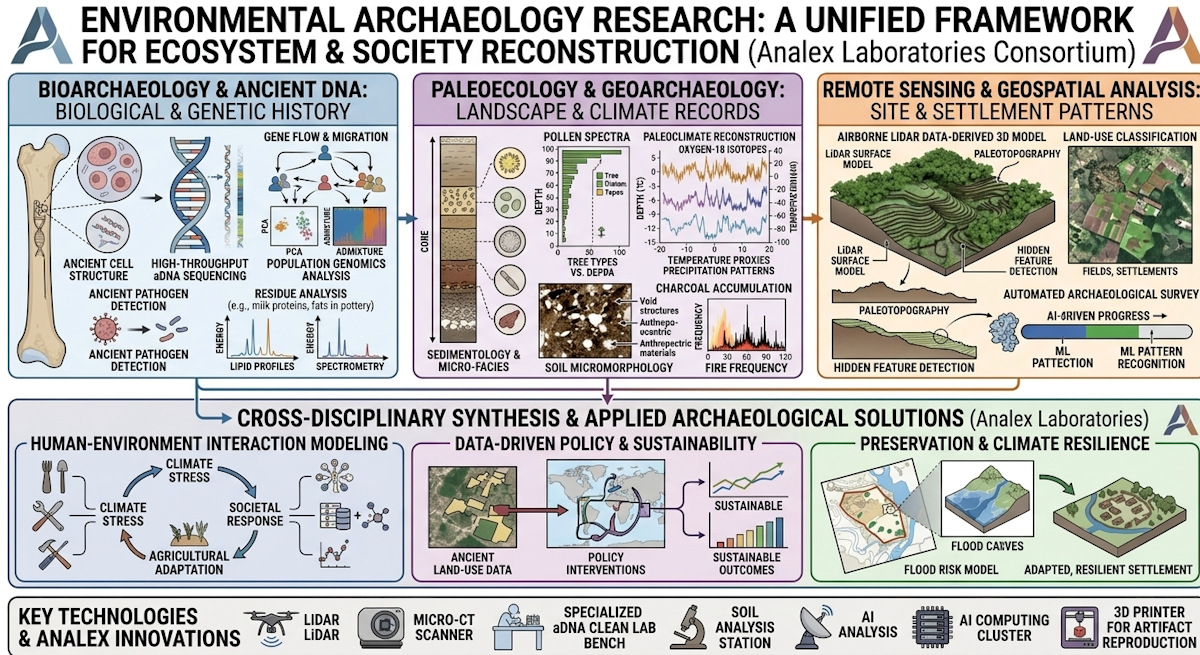
Environmental archaeology merges ecology, geosciences, and advanced techniques—like ancient DNA and isotope analysis—to reconstruct past human-environment interactions. By examining biological and sediment remains, researchers reveal how ancient societies adapted to ecological shifts. Ultimately, these insights offer critical long-term data to inform modern sustainability and climate resilience strategies.
The Karl W. Butzer Environmental Archaeology Center
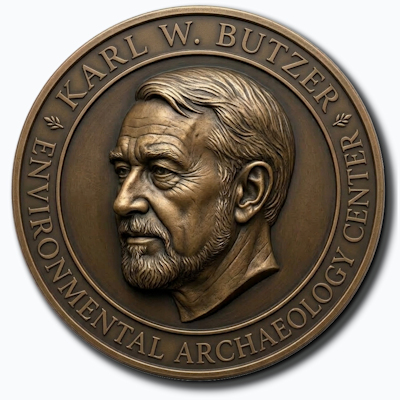 Named in honor of Karl W. Butzer, the legendary geographer and prehistorian who established cultural ecology and geoarchaeology as foundational disciplines — serves as the primary environmental dynamics hub at Analex Laboratories. The facility combines high-resolution sedimentology with paleoecological proxy analysis, specializing in modeling long-term human-landscape interactions, ancient climate shocks, agricultural land-use transformation, and anthropogenic soil degradation.
Core Capabilities & Equipment
- Sediment Core Logging & X-Ray Fluorescence (ITRAX): Automated core scanners perform non-destructive, continuous elemental mapping along lake and wetland sediment cores at sub-millimeter intervals, tracking historical erosion events, flooding phases, and heavy-metal contamination.
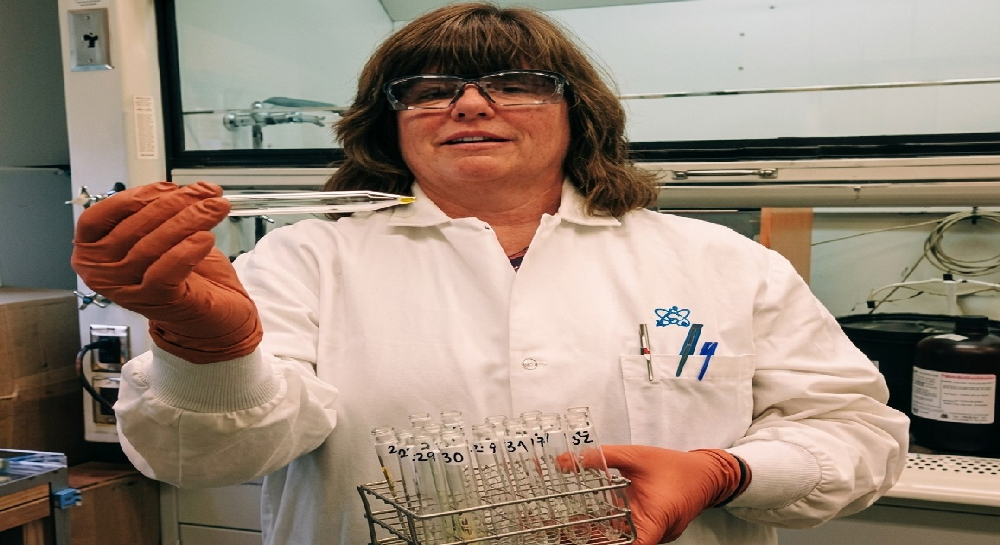
- Palynology & Micro-Charcoal Isolation Suite: Chemical processing and high-powered fluorescence optical microscopy extract and identify ancient pollen grains, fungal spores, and microscopic charcoal, reconstructing past vegetation dynamics, deforestation, and anthropogenic fire regimes.
- Sedimentary sedaDNA Cleanroom & Extraction Unit: Dedicated ultra-pure isolation labs extract sedimentary ancient DNA (sedaDNA) directly from soil profiles, identifying past plant communities, terrestrial megafauna, and microbial soil biomes without requiring macro-fossil remains.
- Automated Phytolith & Diatom Imaging Station: High-throughput slide scanners leverage machine-learning classification models to quantify opal phytoliths and aquatic diatoms, pinpointing local crop cultivation (e.g., maize, rice, wheat), field irrigation practices, and changing paleowater salinity.
At Analex Laboratories, research and discovery in environmental archaeology are driven by a multi-disciplinary commitment to understanding the deep historical relationship between human societies and the natural world. By unifying expertise across ecology, geosciences, biology, and data science, our consortium investigates how past civilizations adapted to, altered, and were shaped by shifting climate conditions and resource availability. Analex teams combine granular, micro-level laboratory analytics with macro-level landscape modeling to construct comprehensive narratives of ecological change across millenia.
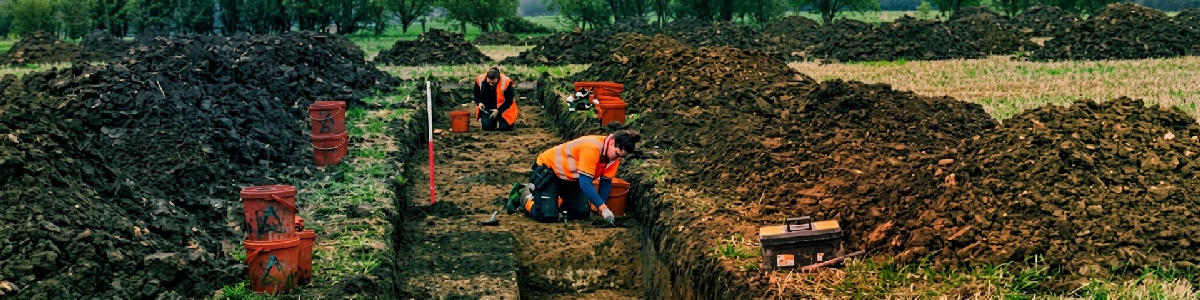
To accelerate field discovery while protecting sensitive environments, Analex Laboratories pioneers non-invasive geospatial and remote sensing technologies. Utilizing high-resolution airborne LiDAR, multispectral satellite imaging, and ground-penetrating radar (GPR), our field scientists map ancient land-use patterns, agricultural terraces, and paleochannels buried beneath dense canopy or modern urban development. These massive spatial datasets are processed through automated machine learning algorithms developed in-house, enabling rapid detection of micro-topographical anomalies and historic environmental management structures.
At the bench, Analex researchers push the frontiers of biomolecular and chemical analytics to extract rich environmental data from trace organic materials. Through high-throughput ancient DNA (aDNA) sequencing, stable isotope analysis, and lipid residue testing, our laboratories reconstruct ancient diets, track historical animal domestication and migration routes, and trace plant crop diversification. Complementing these biomolecular tools, our microbotanical specialists analyze phytoliths, pollen, and soil micromorphology to reconstruct localized paleoclimates, vegetation shifts, and fire histories with sub-seasonal precision.
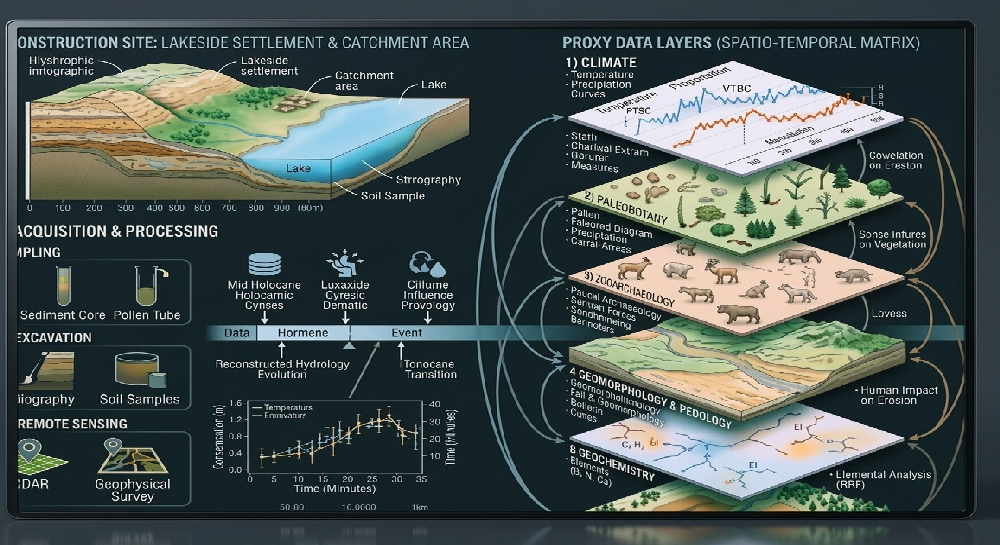
Recognizing that past human-environment dynamics offer vital lessons for the future, Analex Laboratories bridges historical discovery with modern environmental science. By synthesizing long-term ecological datasets, our consortium models past agricultural resilience, resource depletion cycles, and responses to sudden climatic shifts. These baseline insights provide modern policymakers, ecologists, and climate scientists with empirical models to inform contemporary sustainability, soil conservation, and climate adaptation strategies worldwide.