Historical Archaeology
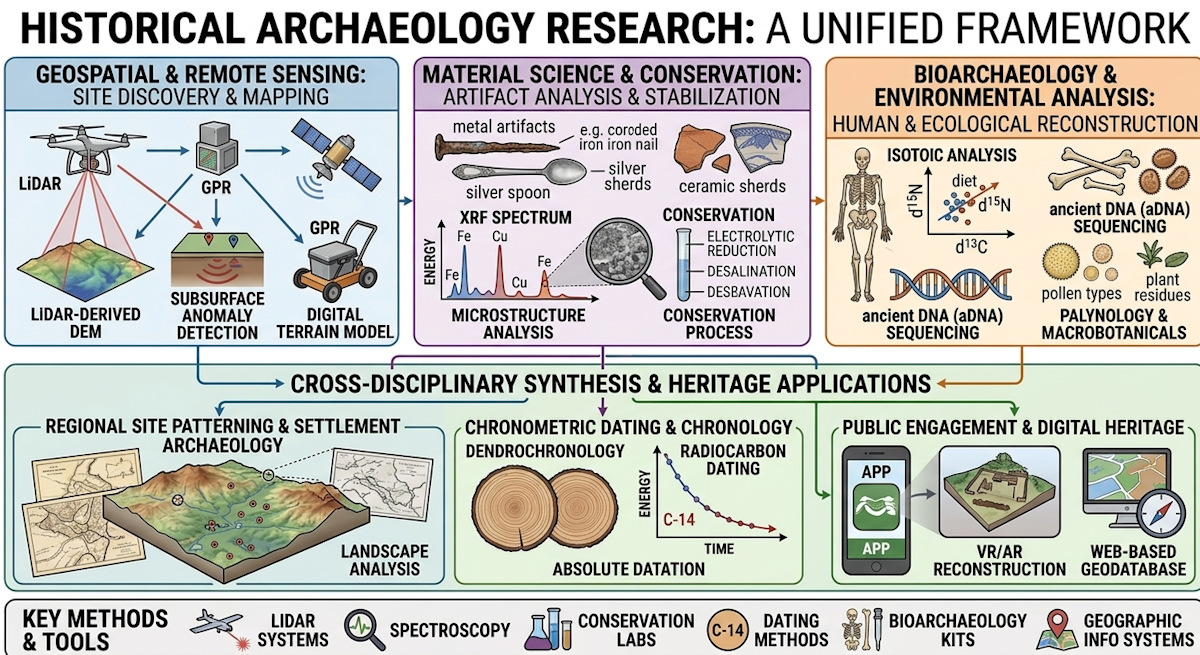
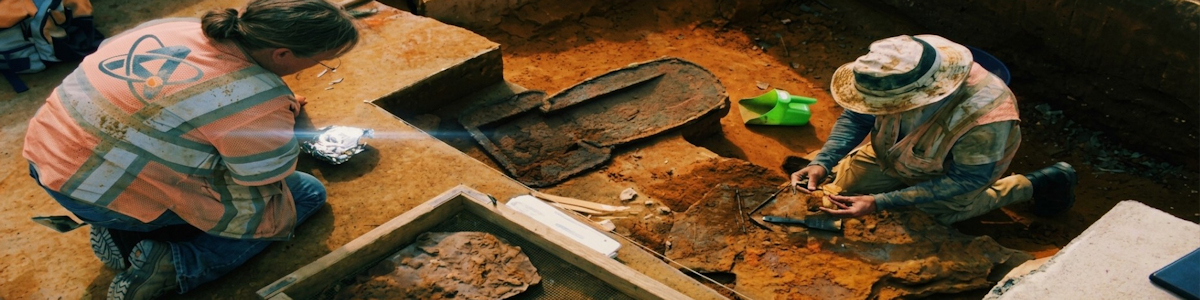
Research, development, and innovation in historical archaeology combine material artifacts with written records to re-examine the recent past, particularly post-Columbian and industrial eras. Modern practice relies on non-invasive technologies like LiDAR, ground-penetrating radar, and artificial intelligence to map sites, alongside biomolecular tools like ancient DNA and isotopic analysis to uncover historical diets and migration patterns. Additionally, current methodologies prioritize community partnerships, digital preservation, and public engagement to amplify underrepresented histories and safeguard vulnerable cultural heritage.
The Ivor Noël Hume Historical Archaeology Center
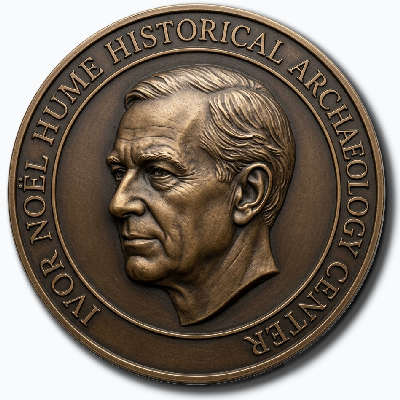 Named in honor of Ivor Noël Hume, the father of historical archaeology in North America who spent decades defining the material culture of early colonial settlement — serves as the primary diagnostic hub for post-medieval and historical material analysis at Analex Laboratories. The facility merges advanced chemical characterization with deep archival record-matching, specializing in tracing trade networks, industrialization, and domestic life from the 15th through the early 20th centuries.
Core Capabilities & Equipment
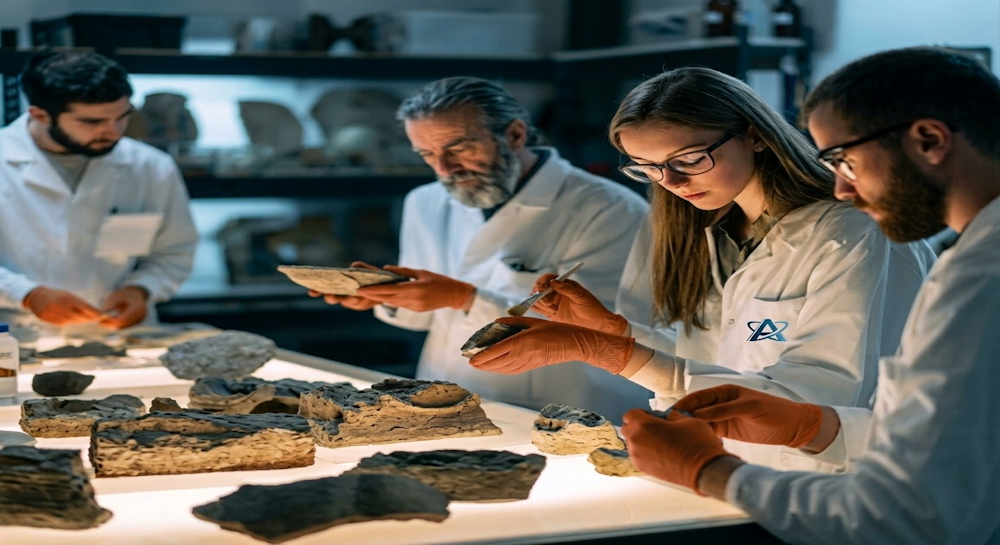
- X-Ray Fluorescence (XRF) Ceramic & Glass Database: High-resolution elemental spectrometers match the chemical fingerprints of tin-glazed earthenwares, stonewares, and blown glass directly to specific European, Asian, and American kiln production centers.
- Corrosion & Metallurgical Micro-Analysis Suite: Metallographic microscopes and micro-CT scanners analyze heavily corroded iron, brass, and pewter artifacts—such as ship fittings, weaponry, and hardware—mapping original surface details without destroying unstable oxidized layers.
- Pollen, Phytolith, & Macro-botanical Isolation Station: Micro-filtration and centrifuge arrays extract structural plant remains from privies, wells, and cellar deposits to reconstruct historical diet, agricultural trade, and urban sanitation environments.
- 3D Laser Typology & Digital Stamp Scanner: Automated optical scanners capture micro-impressions on maker's marks, pipe stems, and brick stamps, feeding a proprietary database to rapidly generate narrow, decade-precise diagnostic date ranges for historical assemblages.
At Analex Laboratories, research in historical archaeology is defined by a synthesis of material culture analysis, documentary history, and emerging geospatial technologies. By focusing on the recent human past—spanning post-Columbian global expansion, industrialization, and modern conflict—our teams bridge the gap between tangible artifacts and written records. Analex scientists leverage this multi-disciplinary approach to re-examine established historical narratives, uncovering how trade networks, resource extraction, and urban growth reshaped societies on both local and regional scales.
To drive site discovery without disturbing sensitive terrain, Analex Laboratories has pioneered non-invasive remote sensing and site identification frameworks. Using high-resolution airborne LiDAR coupled with drone-based photogrammetry and ground-penetrating radar, our field teams construct precise three-dimensional topographies that pierce dense vegetation and modern surface clutter. By feeding these massive spatial point clouds into machine learning algorithms developed in-house, Analex automated systems can flag micro-topographical anomalies—such as buried foundation walls, forgotten agricultural terraces, and subterranean road networks—dramatically accelerating the discovery phase of field projects.
At the laboratory bench, Analex researchers advance discovery through biomolecular and chemical analytics. Using ancient DNA (aDNA) sequencing, stable isotope analysis, and high-throughput mass spectrometry on organic residues, our specialists reconstruct the intimate realities of daily life in historical communities. These techniques allow us to track dietary shifts, disease transmission routes, and trade-borne botanical commodities with granular precision, offering an unprecedented look at how populations adapted to social, economic, and environmental shifts over the last several centuries.
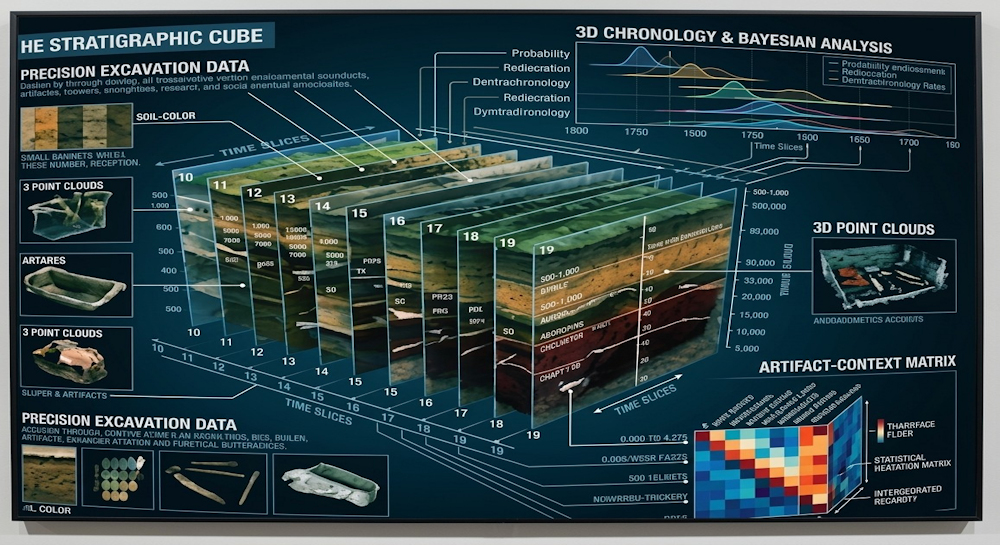
Recognizing that cultural heritage is both fragile and shared, Analex Laboratories integrates advanced digital preservation and public-facing frameworks into every research initiative. Through cloud-hosted spatial databases and 3D artifact modeling, our teams create accessible digital twins of vulnerable sites and collection inventories. By combining these open-access digital repositories with collaborative, community-partnered research designs, Analex ensures that historically marginalized voices are highlighted, local stakeholders remain active partners in discovery, and the tangible remnants of human history are protected for future generations.