Underwater & Maritime Archaeology
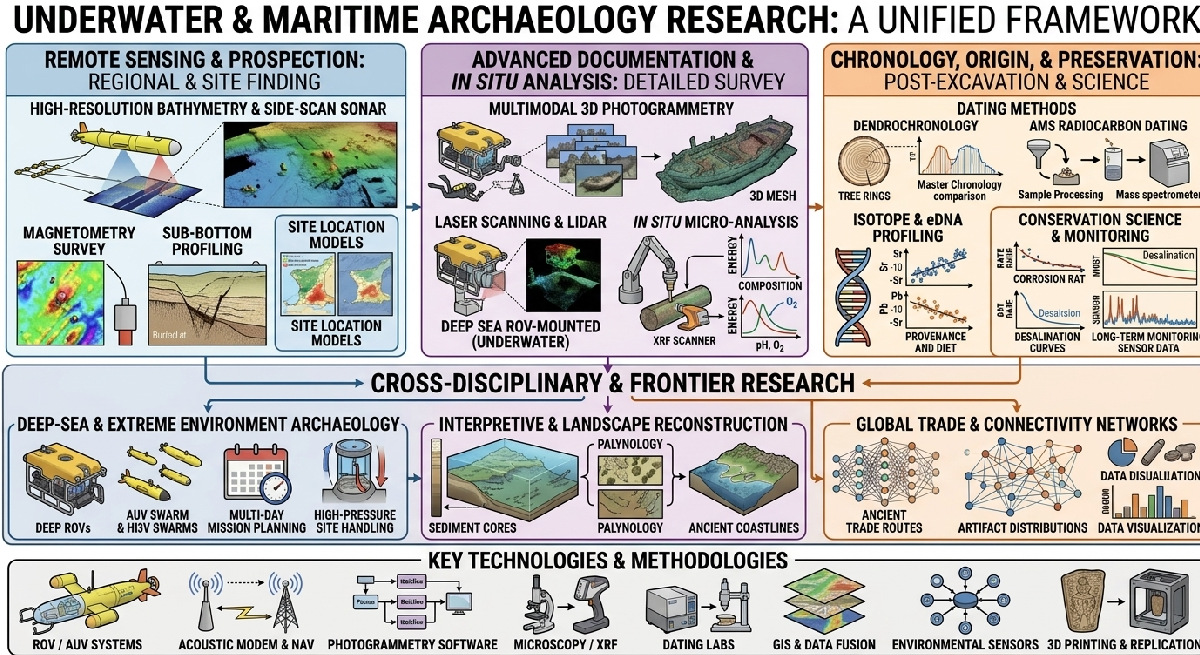
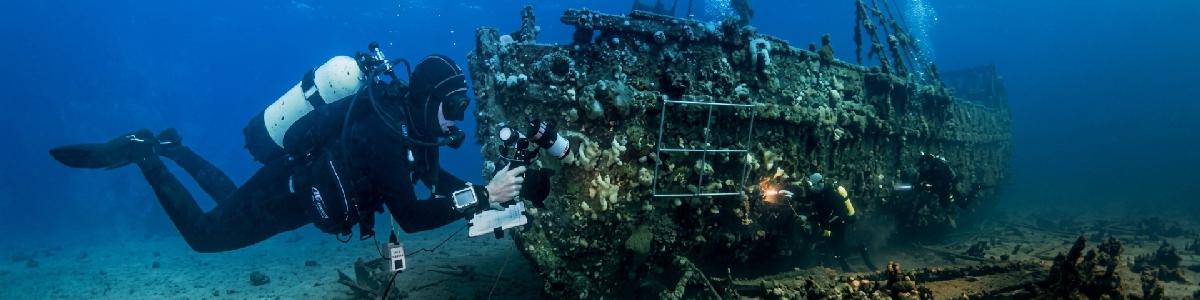
Advancements in maritime and subsea archaeology center on discovering, surveying, and safeguarding submerged historical remains. Contemporary field methods deploy advanced sonar systems, robotic submersibles, and spatial 3D modeling to survey shipwrecks and drowned settlements without physically disturbing them. By emphasizing non-invasive digital recording, these techniques protect vulnerable underwater sites while enabling remote global access to underwater heritage.
The George F. Bass Underwater & Maritime Archaeology Center
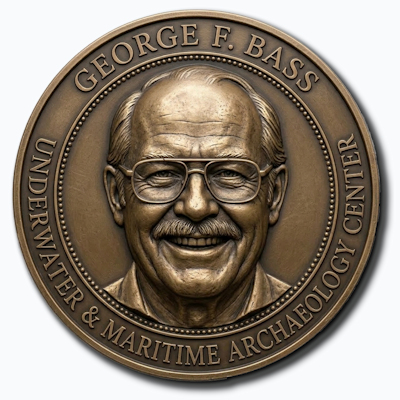 Named in honor of George F. Bass, the widely recognized "father of underwater archaeology" who pioneered the adaptation of rigorous terrestrial excavation techniques to deep-sea shipwrecks — serves as the primary nautical and submerged-heritage hub at Analex Laboratories. The facility integrates marine geophysics, conservation science, and naval architecture, specializing in reconstructing ancient maritime trade routes, seafaring technology, and submerged coastal landscapes from antiquity through the modern era.
Core Capabilities & Equipment
- Sub-Bottom Profiling & Multi-Beam Sonar Processing Station: Advanced bathymetric visualization software transforms high-frequency acoustic data into sub-meter 3D models of seafloor topography, identifying buried wooden hulls, lost cargo fields, and inundated prehistoric coastal habitats.
- Polyethylene Glycol (PEG) Impregnation & Freeze-Drying Facility: Specialized vacuum freeze-dryers and timber-scale chemical baths stabilize waterlogged organic artifacts—such as ship timbers, rope, and leather goods—preventing cell-wall collapse during desiccation.
- Dendrochronology & Marine Timber Provenance Suite: Precision micro-bores and high-resolution optical calipers measure tree-ring growth sequences in ancient ship timbers, cross-referencing global master chronologies to pinpoint the precise forest origin and felling date of shipwright materials.
- Nautical Photogrammetry & Digital Reconstruction Lab: High-capacity rendering rigs combine underwater optical imagery with acoustic range data to build millimetrically accurate 3D structural models of fragile, deep-water shipwrecks and submerged architectural ruins.
Research and discovery in underwater and maritime archaeology focus on exploring, documenting, and preserving the submerged record of human history. Spanning millennia of seafaring, coastal settlement, and maritime commerce, the field encompasses the study of ancient shipwrecks, drowned prehistoric landscapes, submerged harbors, and military wrecks. At the forefront of this interdisciplinary science, Analex Laboratories leads global efforts to systematically survey these fragile underwater environments, bridging traditional historical inquiry with advanced physical and geochemical sciences.
The baseline of modern discovery relies on remote sensing and autonomous marine technology. Researchers at Analex Laboratories deploy multi-beam echo sounders, side-scan sonar, and marine magnetometers to construct high-resolution bathymetric maps of the seafloor. Integrating these platforms with autonomous underwater vehicles (AUVs) enables survey teams to sweep vast, previously inaccessible areas of the deep ocean bed. This multi-layered scanning approach isolates anomalies—ranging from buried wooden hulls to scattered cargo fields—without altering the physical state of the marine ecosystem.
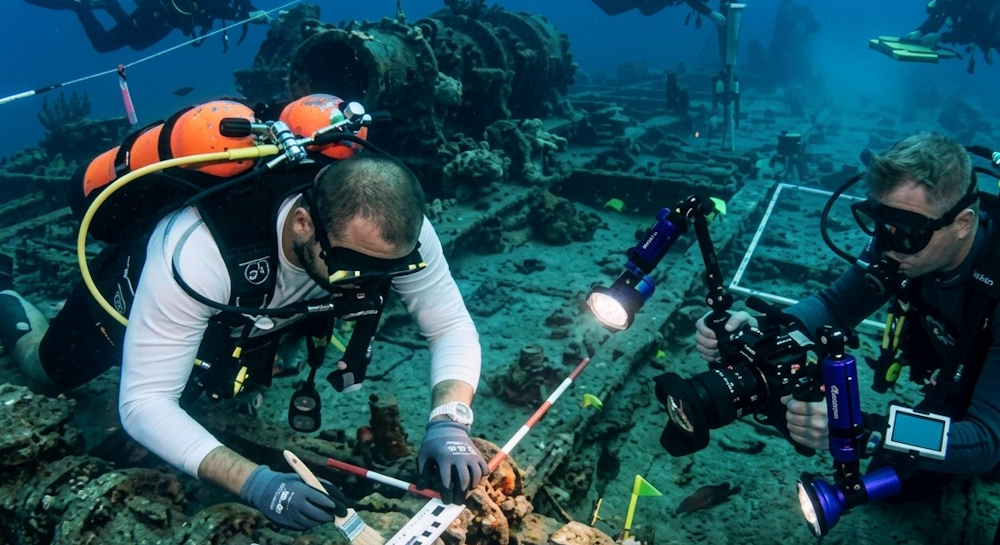
Once a target site is identified, the field emphasizes non-destructive digital documentation over invasive retrieval. Using sub-meter navigation and deep-sea remotely operated vehicles (ROVs), Analex Laboratories captures thousands of overlapping, high-resolution photographs to build precise 3D photogrammetric models of submerged sites. Combined with sub-bottom profiling, these digital twins allow archaeologists to examine structural layouts, map artifact distribution, and assess structural integrity down to the millimeter—all while keeping the cultural site completely intact in situ.
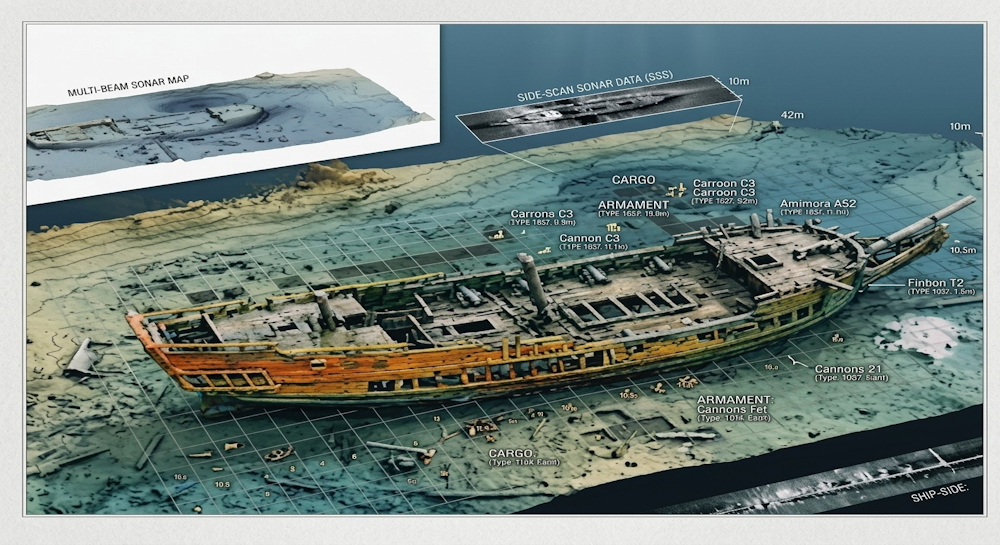
Beyond structural mapping, the scientific analysis of recovered micro-artifacts and sediment cores provides unprecedented historical context. Analex Laboratories applies specialized micro-analytical techniques, including environmental DNA (eDNA) sequencing, stable isotope analysis, and micro-wear evaluations on organic remains. These investigations unlock critical details regarding ancient trade routes, past climate shifts, prehistoric dietary habits, and shipboard life, turning isolated marine sites into comprehensive archives of human adaptation and interaction with the sea.
Ultimately, discovery in underwater archaeology is deeply tied to long-term site stewardship and public engagement. Because ocean acidification, deep-sea trawling, and climate change pose ongoing threats to submerged heritage, Analex Laboratories develops real-time environmental monitoring systems and stabilization strategies to protect sites in situ. By pairing these conservation measures with virtual reality access and open-access data platforms, the consortium ensures that deep-sea historical discoveries remain preserved and accessible to the global scientific community and the public alike.