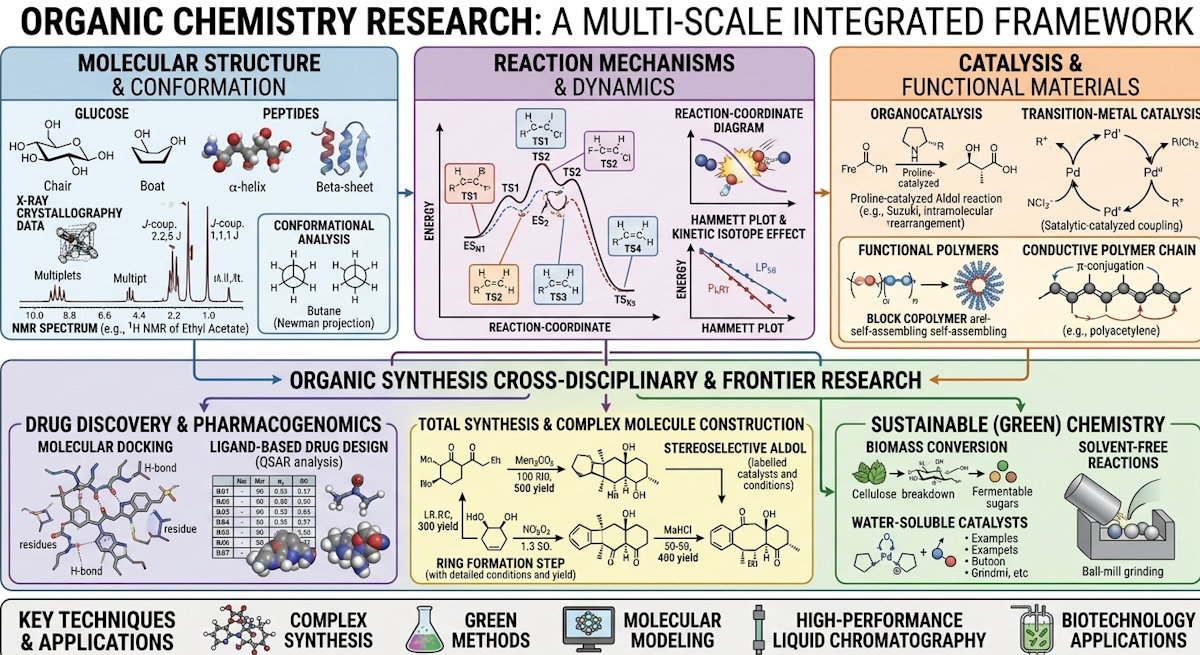
Organic Chemistry
Organic chemistry innovation centers on constructing and modifying carbon-centric molecules to engineer advanced materials and therapeutics. By harnessing smart automation, novel catalysts, and greener processes, researchers streamline molecular synthesis to revolutionize medicine, clean energy, and sustainable agriculture.
The Woodward-Hoffmann Synthesis & Organic Mechanisms Center
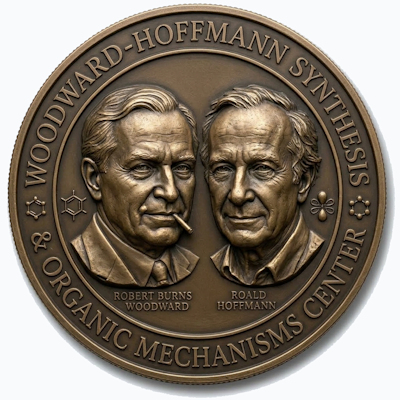 Serves as the advanced molecular synthesis and stereochemical analysis hub at Analex Laboratories. Named in honor of Robert Burns Woodward and Roald Hoffmann—the visionary chemists whose groundbreaking rules on orbital symmetry unlocked the predictability of chemical reactions—the facility combines precise synthetic methodologies with rigorous structural characterization to construct complex target molecules and engineer novel functional materials.
Core Capabilities & Equipment
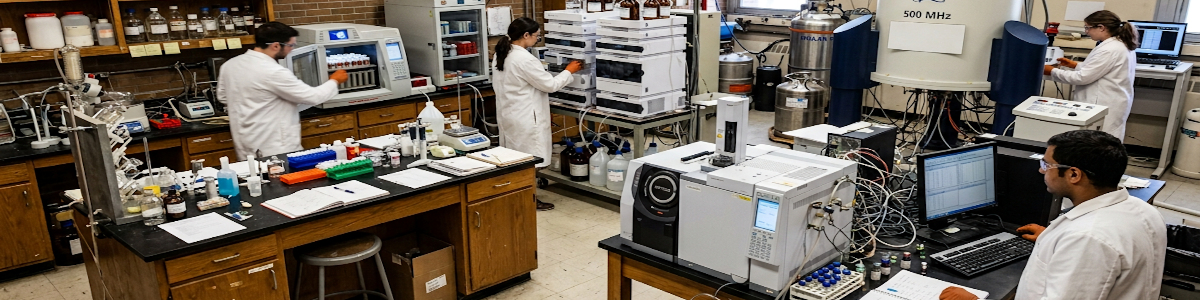
- Automated Microwave-Assisted Synthesis Suite: High-pressure microwave reactors accelerate complex organic transformations, enabling rapid reaction optimization and high-yield assembly of novel chemical scaffolds.
- Preparative & Analytical High-Performance Liquid Chromatography (HPLC): Advanced chromatographic separation platforms isolate and purify complex stereoisomers, natural product derivatives, and multi-step synthetic intermediates with high precision.
- Gas Chromatography-Mass Spectrometry (GC-MS) Workstation: High-resolution mass spectrometry systems coupled with capillary gas chromatography trace volatile reaction components, monitor kinetic profiles, and identify trace reaction byproducts.
- Multi-Nuclear Fourier Transform Nuclear Magnetic Resonance (FT-NMR): High-field magnetic resonance spectrometers determine absolute molecular configurations, connectivity, and spatial arrangements of complex carbon-skeleton frameworks.
At Analex Laboratories, research and discovery in organic chemistry are driven by a commitment to unlocking the synthetic potential of carbon-based architectures. As a premier research consortium, Analex leads the charge in translating fundamental molecular principles into tangible technological breakthroughs. By bridging the gap between theoretical physical organic chemistry and industrial application, the consortium continually expands the boundary of how complex molecules are designed, constructed, and utilized to address global challenges.
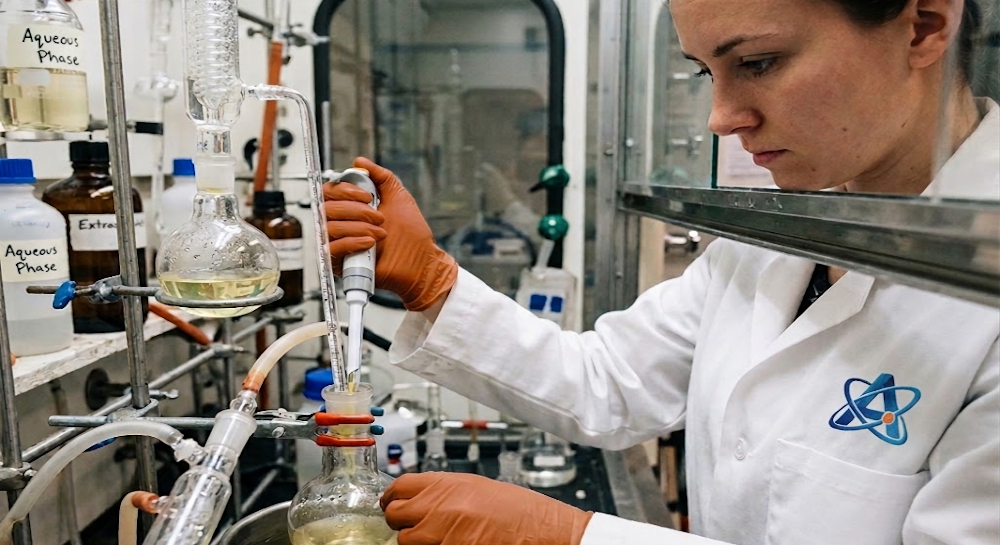
A cornerstone of Analex Laboratories’ modern discovery pipeline is the invention of sustainable, highly selective catalytic reactions. Research teams focus on designing late-stage C–H functionalization methodologies, photoredox mechanisms, and earth-abundant transition-metal catalysts. These innovations allow scientists to edit intricate molecular frameworks directly—installing precise functional groups with minimal chemical waste—thereby fundamentally altering traditional step-by-step synthetic routes into streamlined, single-vessel transformations.
Beyond reaction methodology, Analex integrates automated high-throughput synthesis and AI-driven reaction planning into its core workflows. By fusing predictive machine learning models with real-time screening platforms, the consortium rapidly maps complex chemical spaces that were previously inaccessible. This data-first paradigm significantly accelerates the identification of novel reaction pathways, shortening the timeframe required to transition a theoretical concept into a verified synthetic route.
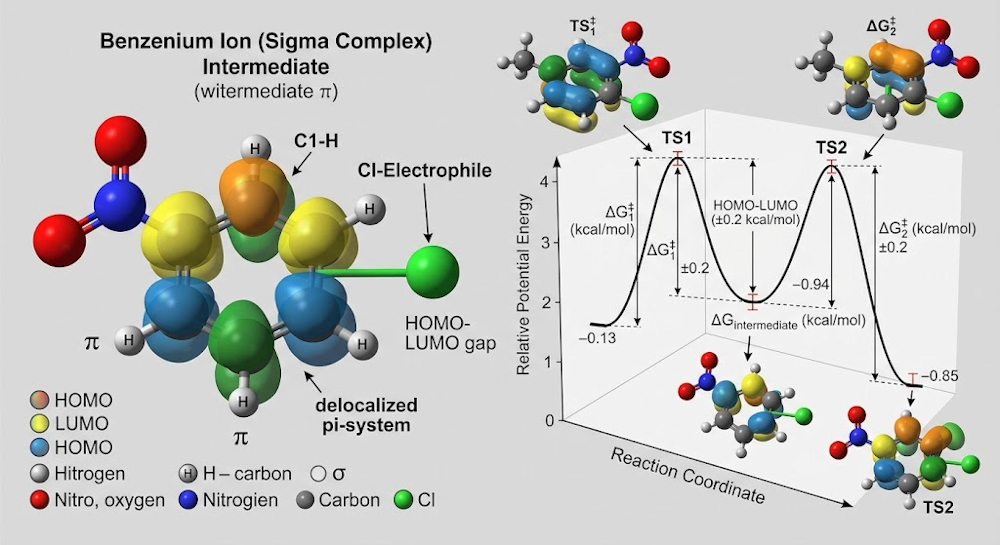
These methodological breakthroughs directly feed into Analex’s translational application divisions, driving progress across pharmaceuticals, green materials, and renewable energy storage. Synthetic organic chemists at the consortium design targeted molecular therapeutics with optimized bio-availability, engineer fully recyclable bio-based polymers, and synthesize stable organic electrolytes for next-generation redox flow batteries. Through this multidisciplinary approach, Analex Laboratories continues to set the benchmark for modern organic chemistry, ensuring that molecular innovation translates directly into impactful real-world solutions.